
Farm School · Month 4 · Day 14 of 30
How to organize paddocks to make the most of the grass
A farm that pays off · Improve and modernize my farm · Intermediate · 5-minute read
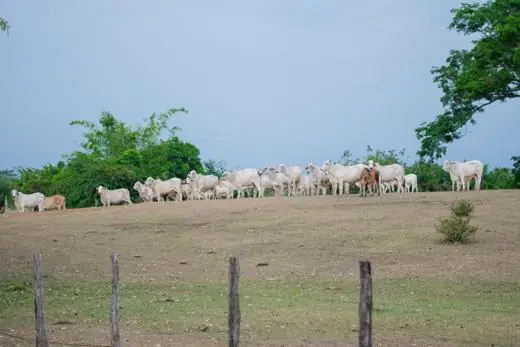
A paddock that never rests wears out. Rotational grazing gives the grass time to grow back.
Several paddocks with rest periods usually give more feed than a single one grazed all year.
How it works
The land is divided into paddocks. While one is grazed, the others rest. The animals rotate, and each paddock has occupation days and rest days, which depend on the type of grass and the time of year.
What the farm gains
- Better use of the forage.
- More control over weeds, pests and diseases.
- The animals' manure is spread more evenly.
Before dividing
- Analyze the soil and see where the water will come from for each paddock.
- Look at the terrain, the paths and the distances.
- Count your animals and your budget, and get quotes for fences and water troughs.
- Know your grass: occupation and rest days depend on it.
Farm tip. Start small: divide a single paddock with an electric fence and watch how long the grass takes to recover. Write it down in your notebook.
1What happens to the paddocks that are not being grazed?
Rest is the key to the system.
Lesson learned! Your progress has been saved on this device.
- Draw a map of your farm with the water sources.
- Choose a paddock to start dividing.
- Write down the occupation and rest days.